
H1: WhatsApp Quality Rating and Messaging Limits, Explained H1: WhatsApp 品質評級與訊息傳送上限完整解析
Oct 28, 2026
By Sam Harper
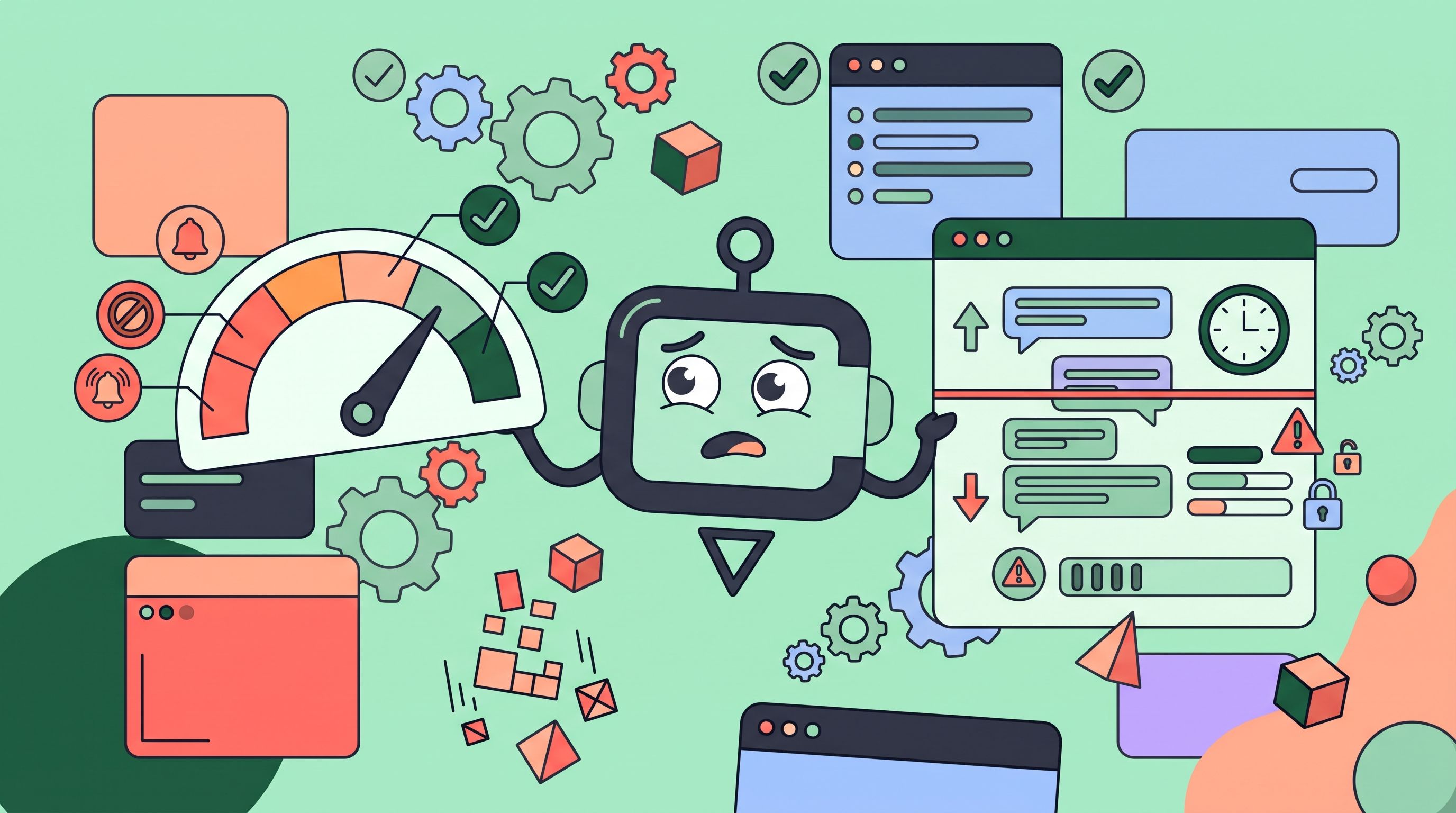
Your WhatsApp quality rating reflects how recipients respond to your messages — primarily blocks and reports — over a rolling recent period. It drives your messaging limit, which caps how many unique customers you can start conversations with in 24 hours. A sustained low rating leads to restriction; recovery comes from reducing the behaviour that caused it.
What the quality rating actually measures
Quality is derived from recipient feedback, not from content review. Blocks and reports are the dominant signals, weighted against volume, over a rolling window. It is displayed as high, medium or low.
The practical implication is that a technically compliant template can still damage your rating if recipients do not want it. Approval and quality are separate systems.

How messaging limits work
Messaging limits cap the number of unique customers you can initiate conversations with in a rolling 24-hour period. Limits tier upward as you send consistently to more customers while maintaining quality, and downward when quality falls.
Replies inside an open customer service window do not count against the limit. It applies to business-initiated conversations only.
What causes a rating to drop
Sending to people who did not meaningfully opt in. Lists bought, scraped, or collected under a consent flow the customer does not remember are the most common cause.
Frequency. Repeated marketing to the same recipients within a short period drives blocks faster than any content issue.
Relevance mismatch. Customers who opted in for order updates and receive promotions block at high rates.
No easy way out. If opting out is harder than blocking, customers will block.
How to recover a restricted number
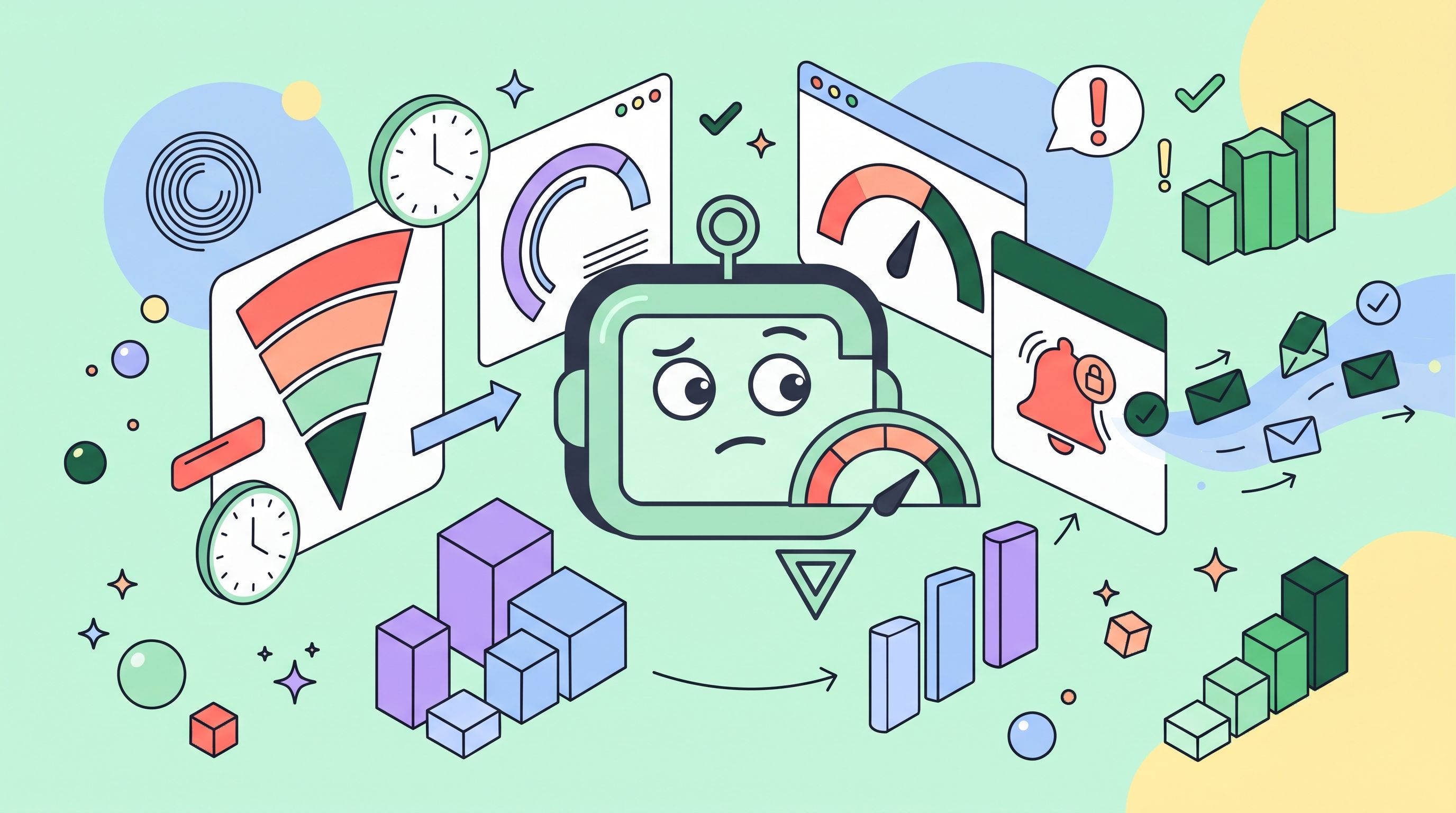
Stop marketing sends immediately. Restriction reflects a rolling window, so continuing to send extends the problem.
Identify the campaign or segment that triggered it — usually a specific broadcast rather than gradual decline. Clean the list against your opt-out records. Resume with a smaller, well-consented segment and rebuild volume gradually.
Ratings recover as the window rolls forward, provided the underlying behaviour changed. If it did not, the rating will drop again.
Keeping quality high
Send marketing only to customers who opted in recently and explicitly. Make opting out visibly easier than blocking. Segment so recipients get content matching what they signed up for. Lead with service, not promotion — a number customers associate with useful replies gets blocked far less than one associated with campaigns.
The strongest structural protection is to shift outbound volume into responses. Messages sent inside an open service window, in reply to a customer, carry effectively no block risk and no limit consumption.
Frequently asked questions
What is a WhatsApp quality rating? A measure of how recipients respond to your messages, based largely on blocks and reports over a recent rolling period, shown as high, medium or low.
What is a messaging limit? The number of unique customers you can start a conversation with in 24 hours. Replies within an open service window do not count.
Why did my quality rating drop? Usually a marketing send to a poorly-consented or over-messaged list. Blocks and reports are the primary drivers.
How do I increase my messaging limit? Send consistently to increasing numbers of unique customers while maintaining a high quality rating. Tiers move up over time, not on request.
How long does it take to recover a low rating? The rating reflects a rolling window, so it improves as poor-performing sends age out — provided the behaviour changed.
Does a rejected template affect my quality rating? No. Template rejection and quality rating are separate systems.