
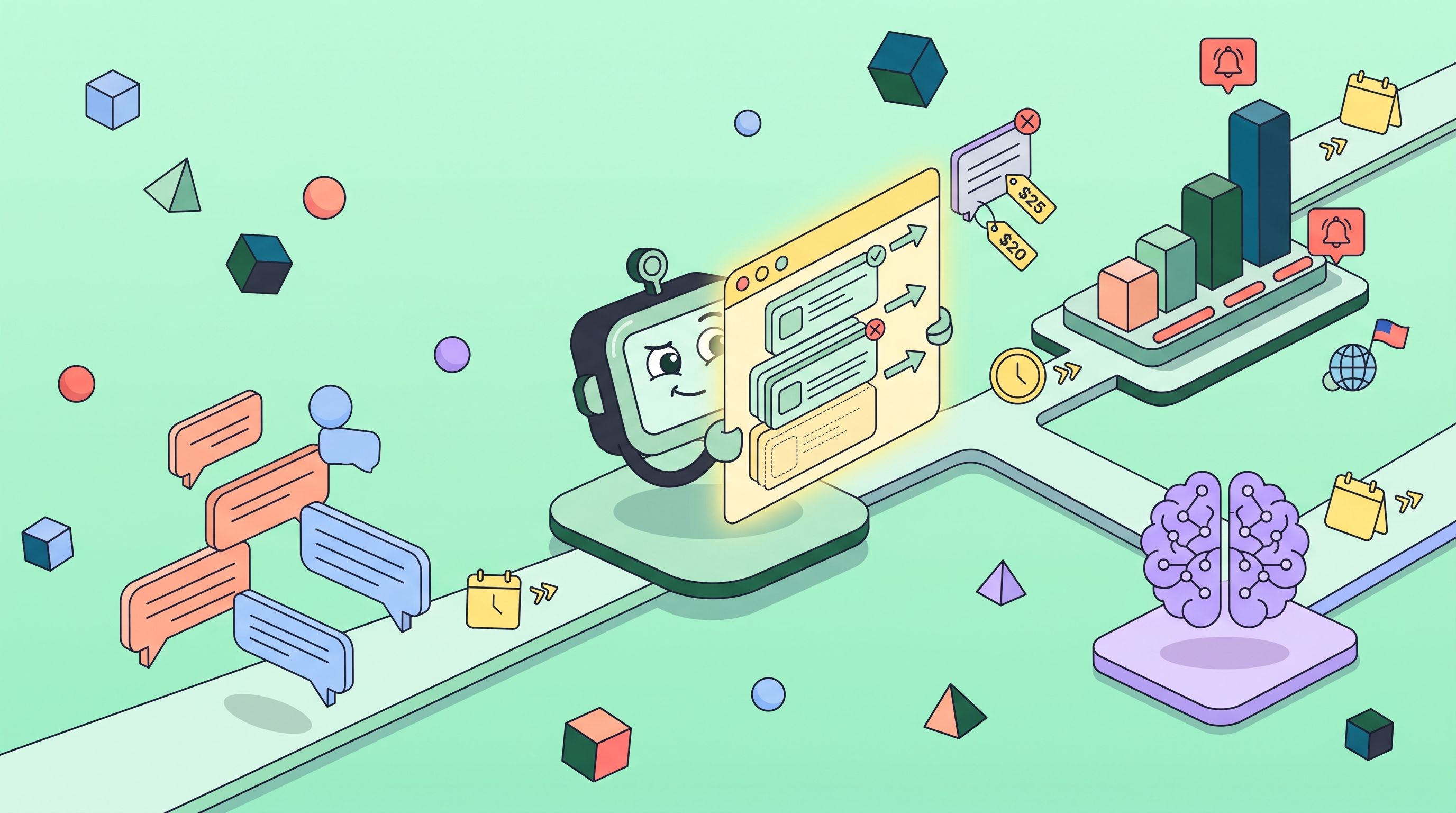
WhatsApp Business Pricing Changes: A 2024–2026 Timeline
Sep 25, 2026
By Rowan Lark
WhatsApp Business pricing has changed four significant times since 2024. Service conversations became free in November 2024. Conversation-based pricing was replaced by per-message pricing on 1 July 2025, alongside new volume tiers for utility and authentication messages. Meta now updates rates only at the start of each quarter, with advance notice.
The timeline
1 November 2024 — Service conversations became free. Customer-initiated conversations stopped being billable for all businesses. For support-led teams this removed the majority of the bill.
1 July 2025 — Conversation-based pricing replaced by per-message pricing. The structural change. Instead of paying for a 24-hour conversation window, you pay per template message delivered. Meta’s documentation now lists conversation-based pricing as deprecated. Marketing conversation rates became marketing message rates.
1 July 2025 — Volume tiers introduced for utility and authentication. Lower rates unlock as monthly volume rises, for those two categories only. Never marketing.
1 October 2025 — Tiering webhooks. Accounts began receiving an account_update webhook when they reach a new volume tier, making tier changes visible rather than something you discover on an invoice.
Through 2026 — Quarterly regional adjustments. Rates moved for individual markets on 1 January and 1 April 2026.
16 February 2026 — New pricing policy for AI providers. Meta introduced a separate pricing policy for AI providers operating on the WhatsApp Business Platform, updated on 12 May 2026.
What each change means for your bill
The move to per-message pricing rewards different behaviour than the old model. Under conversation pricing, you paid once for a 24-hour window and could send freely inside it. Under per-message pricing, each template costs — but non-template messages inside an open service window are free, and so are utility templates sent while that window is open.
The optimisation shifted from “batch messages into one window” to “keep the service window open and send utility content inside it.”
Free service conversations mean that inbound-led support is now close to free at Meta’s layer. If your bill is large and your volume is mostly inbound, the cost is coming from your provider, not from Meta.
Volume tiers help fewer businesses than they appear to. They exclude marketing entirely, reset monthly, and only count messages that were actually charged.
When the next change can happen
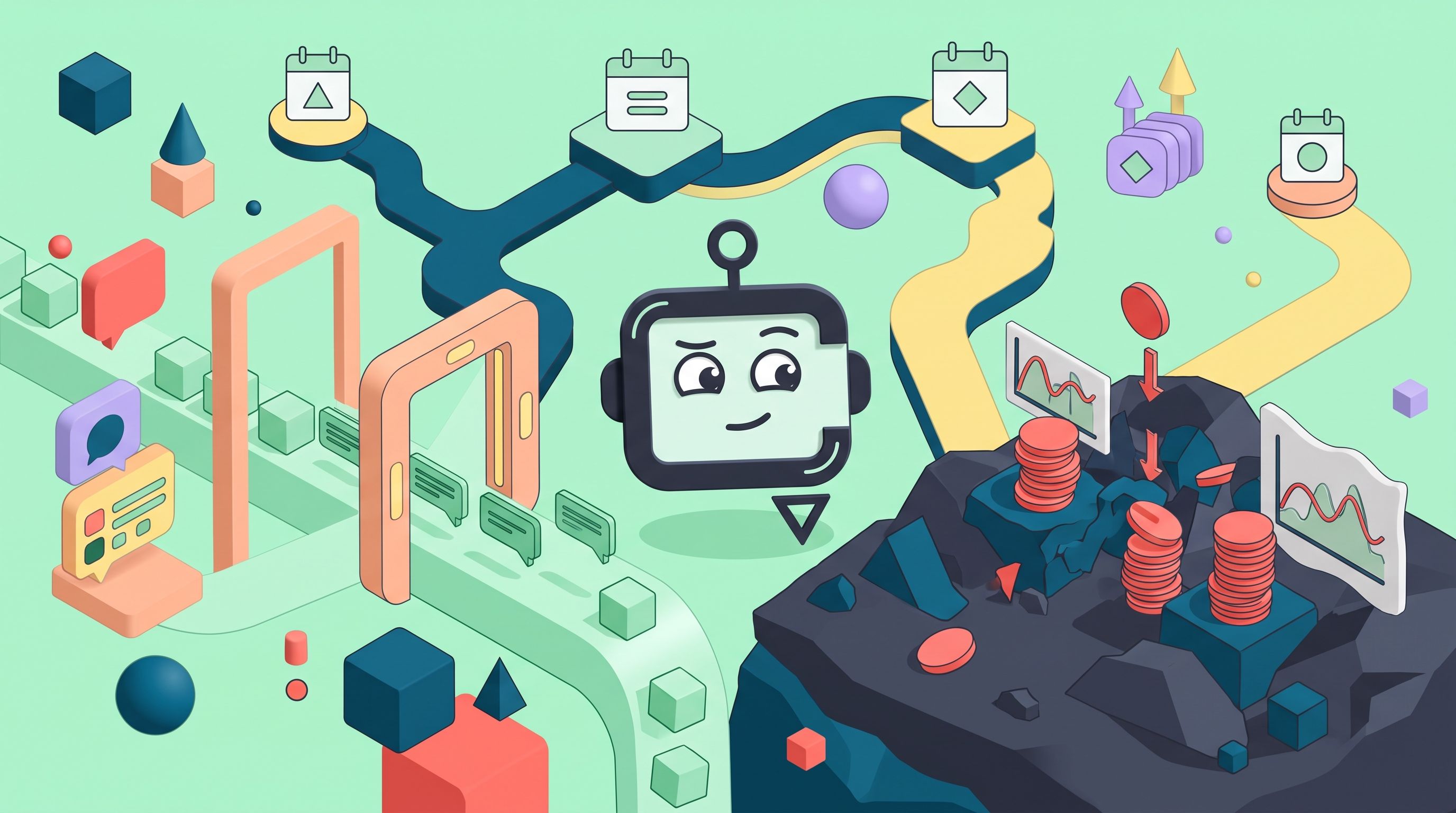
Meta may only update pricing on 1 January, 1 April, 1 July or 1 October. Notice periods are defined: one month for a rate card update, three months for a pricing model add-on, and six months for a change to the pricing model itself.
That gives you a planning rhythm. Review your rate assumptions in the last two weeks of each quarter, and treat any provider quote as valid only until the next quarter boundary.
Frequently asked questions
Is WhatsApp still charged per conversation? No. Conversation-based pricing was replaced by per-message pricing on 1 July 2025 and is now deprecated in Meta’s documentation.
Are WhatsApp service conversations free? Yes, since 1 November 2024. Customers messaging you and your replies inside the 24-hour window cost nothing at Meta’s layer.
How often can Meta change WhatsApp prices? Up to four times a year, only on the first day of a quarter, with at least one month’s notice for a rate change.
Do volume discounts apply to marketing messages? No. Volume tiers cover utility and authentication only.
What is the free entry point window? When a customer reaches you via a Click-to-WhatsApp ad or Facebook Page button from the mobile app and you reply within 24 hours, a 72-hour free messaging window opens.
Pricing that changes less often than Meta’s Chatlyst bills on usage, so your costs track conversations handled — not seats, and not a markup on Meta’s rate.