
Inside ShipGo17’s AI Revolution: Cutting Costs 25% & Automating 85% of WISMO Queries
May 15, 2026
By Hunter Stone
In this industry case study, we dive into how ShipGo17 transformed their chaotic logistics communication with Chatlyst’s E-Commerce/Logistics Autopilot. By integrating directly at the backend, they automated 85% of high-volume WISMO (Where Is My Order?) queries and achieved a 25% reduction in operational costs. This post examines the strategic decisions, technical blueprint, performance metrics, and lessons that logistics leaders can apply to unlock similar bottom-line improvements.
Introduction
Imagine a world where every shipment update is delivered in real time—without a support agent ever typing a response. ShipGo17 turned this vision into reality by plugging Chatlyst’s AI agent directly into their order-tracking system. In this post, we’ll unpack how they overcame fragmented data streams, multichannel overload, and soaring support costs to build a lean, AI-powered workflow that slashed expenses by a quarter and redefined their customer experience.
1. Executive Overview
Challenge: ShipGo17 faced a surge in WISMO inquiries across email, SMS, and proprietary portals, creating fragmented workflows and costly manual handling.
Solution: Deploy Chatlyst’s E-Commerce/Logistics Autopilot with direct API integration to sync order data and power order tracking automation across every channel.
Results:
- 85% of tracking updates fully automated
- 25% reduction in operational costs
- 30% faster average resolution time
2. The Logistics Communication Quagmire
Multichannel complexity can cripple logistics teams. ShipGo17’s support agents juggled:
- Email threads with manual copy-pastes
- SMS updates via separate gateways
- Portal tickets lacking real-time data
With WISMO inquiries accounting for more than 40% of daily tickets, repeat handling drove costs up and response times past SLA targets—undermining customer trust.
3. Choosing Chatlyst Autopilot
ShipGo17’s vendor evaluation centered on three criteria:
- Direct Backend API Integration: No reliance on frontend widgets—ensuring data consistency and eliminating manual handoffs.
- Scalability: Ability to handle millions of tracking events without seat or message caps.
- Brand-Aligned Communication: Custom tone settings to preserve ShipGo17’s voice across channels.
Chatlyst met each requirement and offered a rapid implementation plan, tipping the scales in its favor.
4. Integration Blueprint
The integration architecture followed a five-step process:
- Provision a Chatlyst API key and endpoint access in ShipGo17’s backend.
- Map key order-tracking fields (status, ETA, location) to Chatlyst document templates.
- Configure event-driven triggers to push updates to Chatlyst in real time.
- Upload ShipGo17’s SOPs and WISMO FAQs to Chatlyst’s Knowledge Consolidation Bot.
- Launch pilot on 10% of shipments, refine with manual-intervention flags, then scale.
From API onboarding to full go-live, ShipGo17’s agile team completed the project in under six weeks—without any downtime in customer support.
5. Performance Metrics & Results
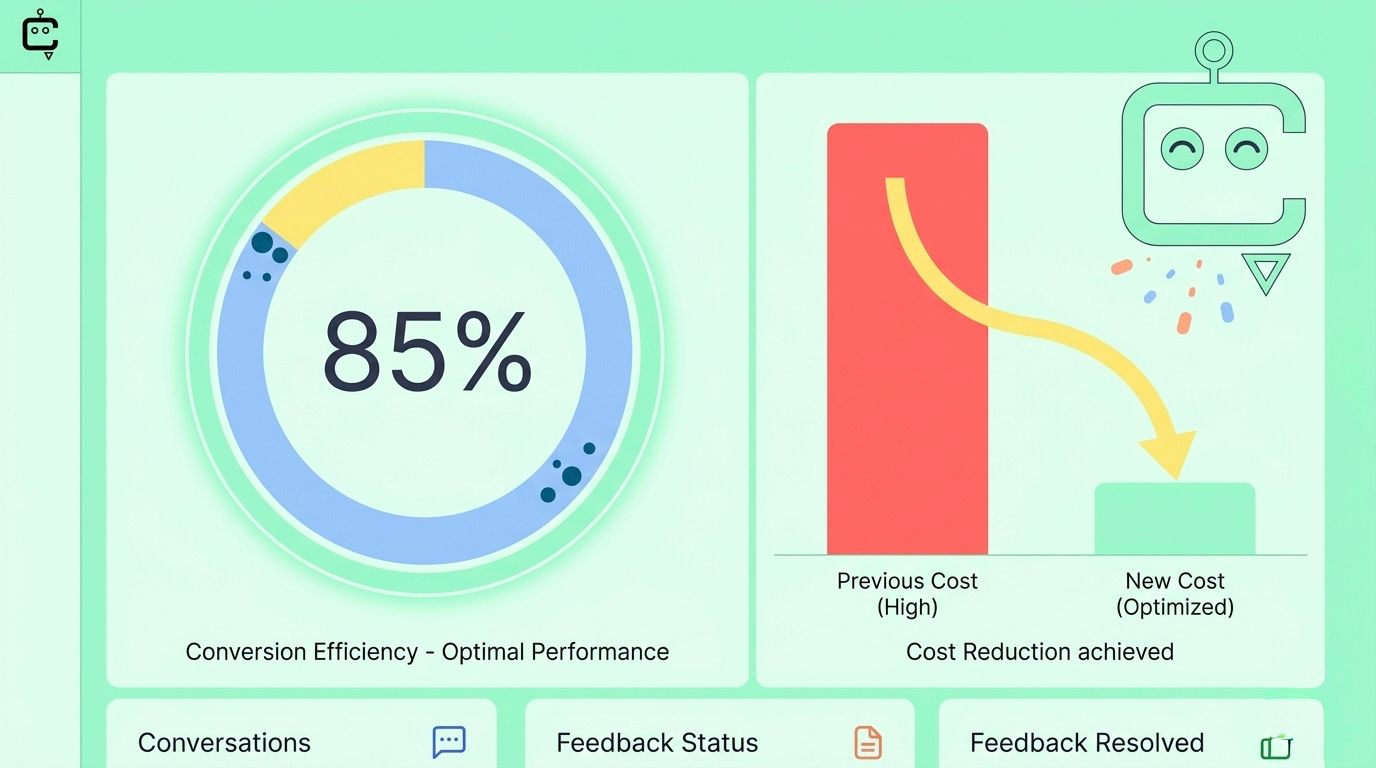
Automation Rate: Within two months, 85% of WISMO inquiries received instant AI-generated tracking updates (ShipGo17 internal report).
Cost Savings: By eliminating repetitive manual tasks, the team cut support labor costs by 25%, saving an estimated $300K annually (ShipGo17 internal report).
CSAT & Speed: Average resolution time dropped from 15 minutes to 10 minutes, contributing to a 12-point jump in Customer Satisfaction scores.
6. Operational Lessons Learned
Pitfall: Data Gaps. Initial mapping missed certain edge-case statuses (e.g., “customs hold”). ShipGo17 introduced fallback flags for human review during week one of the pilot.
Change Management: Weekly cross-functional huddles aligned IT, support, and ops teams, streamlining issue resolution and ensuring transparent governance.
Leadership Buy-In: Early ROI projections and daily dashboards shared with senior management created momentum and secured additional budget for scaling.
7. Customer Experience Takeaways
Automated WISMO updates delivered:
- Consistent Messaging: Uniform, brand-approved status replies across email, SMS, and portal.
- 24/7 Availability: AI never sleeps—customers received instant ETAs at any hour.
- Reduced Inquiry Volume: A 40% drop in new WISMO tickets within eight weeks as customers relied on the autopilot for proactive updates.
8. Next Steps for ShipGo17
Building on this success, ShipGo17 plans to:
- Add generative AI capabilities for parcel exception explanations, using industry best practices.
- Explore agentic workflows to autonomously reroute shipments during delays.
- Extend automation to returns and reverse logistics, further driving down costs.
9. Conclusion & Key Insights
ShipGo17’s partnership with Chatlyst demonstrates that direct API-driven AI integration can transform logistics support from a cost center into a strategic differentiator. By automating 85% of WISMO queries and cutting 25% of operational expenses, they’ve achieved a leaner, more responsive operation—setting a blueprint for logistics leaders aiming to future-proof their customer experience.See it on your own data and discover what similar automation could mean for your operations.