
From Rule-Based to AI-First: How Generative AI is Transforming Customer Service
Apr 3, 2026
By Rowan Lark
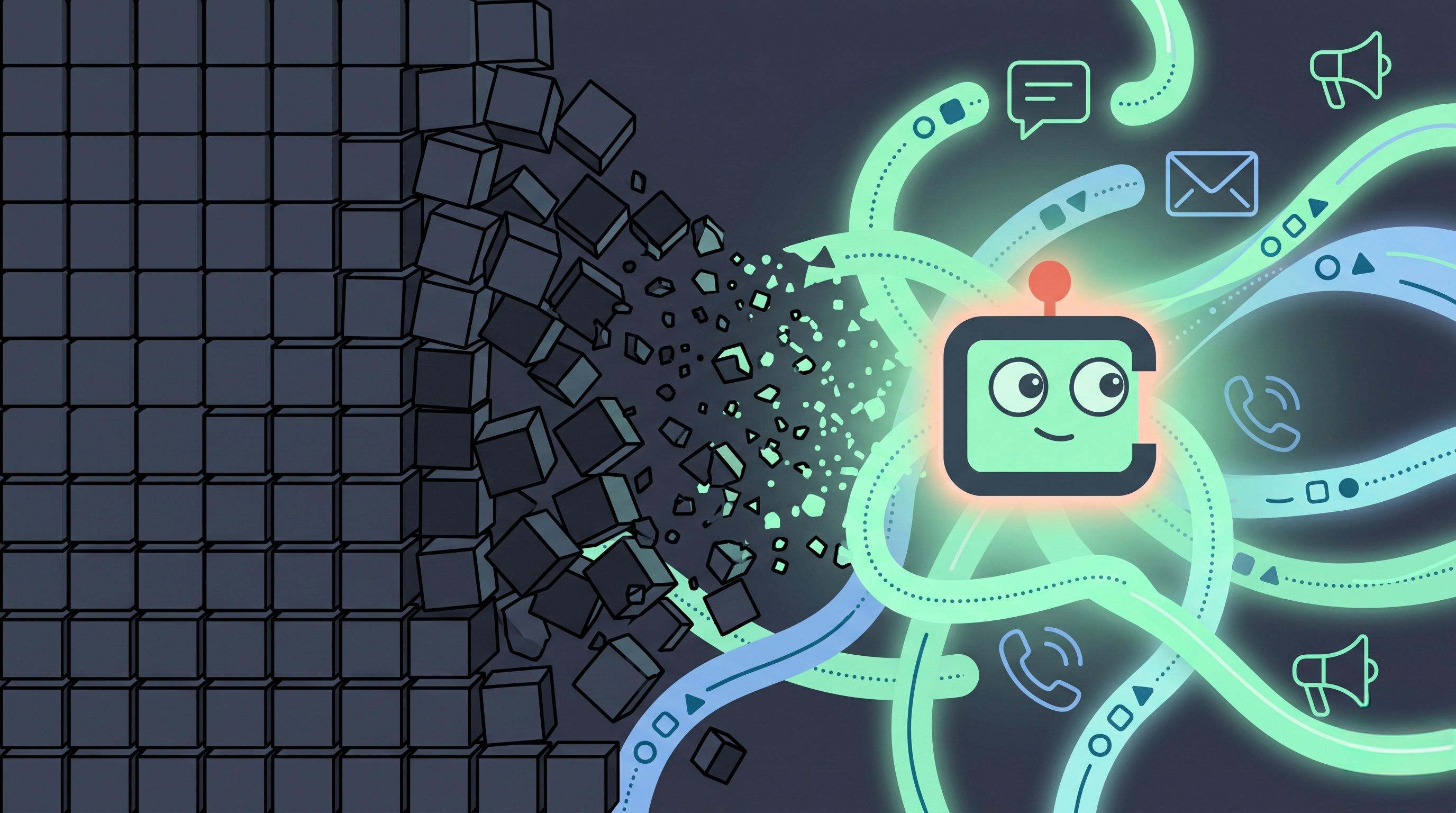
Generative AI replaces rule-based chatbots' fixed decision trees with intent recognition and retrieval-augmented generation (RAG), so it interprets meaning instead of matching exact keywords or button clicks. It pulls answers from a company's own documents and knowledge base in real time, handling multi-part or oddly phrased questions that keyword-triggered bots typically fail on.
Remember when chatbots could only respond if you typed the exact phrase “order status” or clicked a predetermined button? Those rule-based assistants simply looped keywords until you gave up or begged for a live agent. Today’s customers demand more—they expect a conversation that understands meaning, not just syntax. In this post, we reveal why generative AI is not an incremental upgrade but a paradigm shift in customer service. You’ll learn:
- How intent detection replaces brittle keyword loops
- Why 95 percent of routine tickets can now be resolved without human intervention
- How to implement an AI-first platform that unifies channels and eliminates support chaos
1. Introduction: The Rise and Fall of Rule-Based Chatbots
Rule-based chatbots dominated the mid-2010s, offering simple decision trees: “Press 1 for billing, type ‘refund’ for returns.” While they delivered some automation, these systems collapsed when faced with real conversation: typos, context shifts, multi-part questions. They provided quick shortcuts for FAQs but generated endless loops of “Sorry, I don’t understand” errors. Frustrated users escalated to email or phone, driving up handle times and undermining satisfaction.
2. The Rule-Based Bottleneck
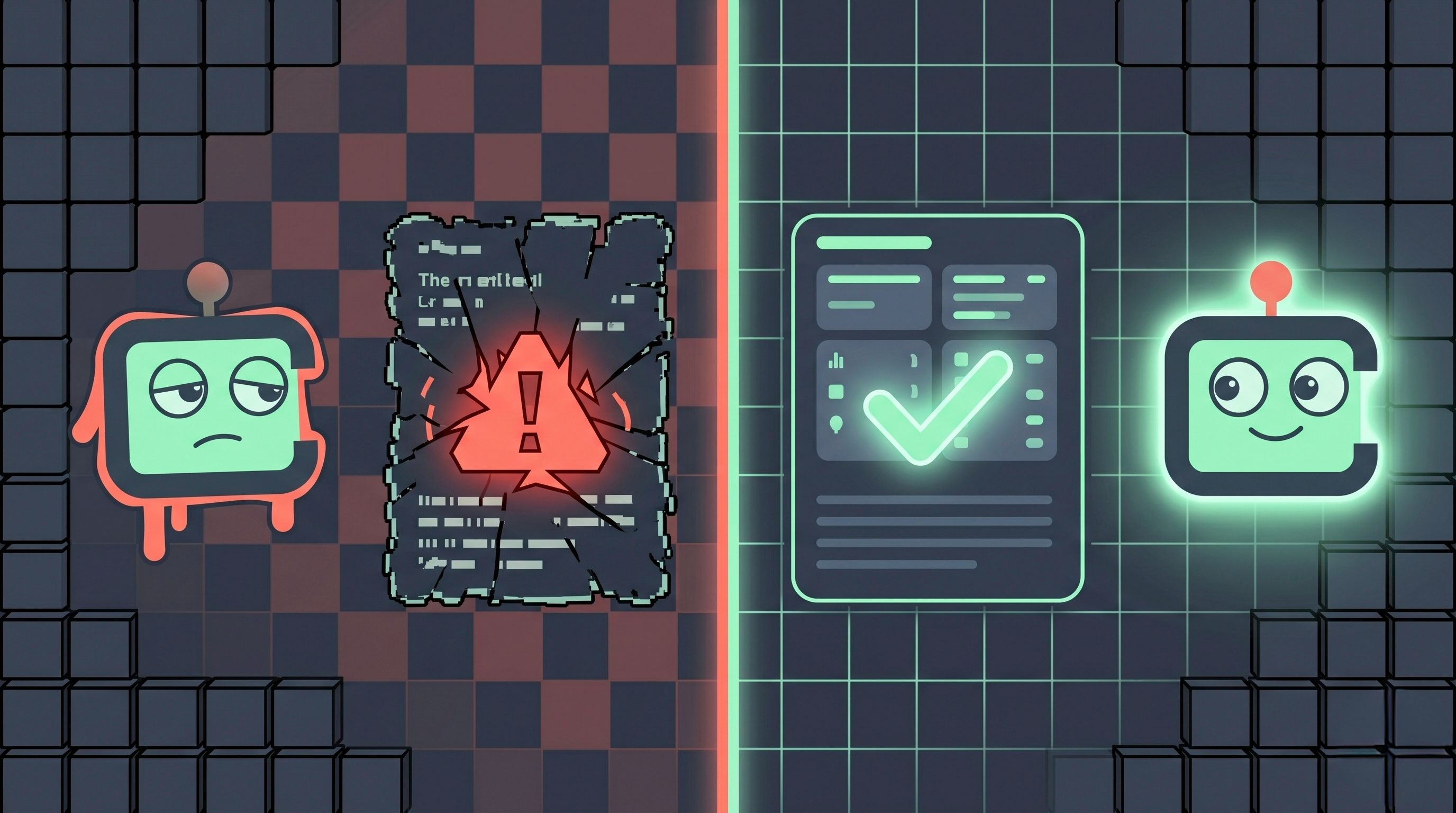
At the heart of every rule-based solution lies rigid if/then logic. This approach assumes that every user query maps cleanly to a fixed path. But even a simple request like “I haven’t received my package and need to change the address” spans multiple intents—order tracking, verification, update workflow. A keyword bot might handle “received” but trip on “address,” forcing the user to restart or switch channels entirely.
Case Study: A major retailer’s keyword bot logged a 40 percent dead-end rate on shipping inquiries, leading to abandoned checkouts and negative CSAT surveys. The lesson was clear: brittle logic costs more in lost revenue and customer trust than it ever saved in agent time.
3. The Generative AI Breakthrough
Chatlyst’s generative AI platform transforms this dynamic. It combines:
- Intent Recognition: Advanced natural language understanding that maps customer utterances to high-level intents, even when phrased in novel ways.
- Retrieval-Augmented Generation (RAG): Dynamically pulls relevant knowledge from documents, FAQs, policies, and knowledge bases.
- Fine-Tuned Large Language Models: Specialized models trained on your brand’s voice and support guidelines to generate accurate, empathetic responses.
By merging these elements, Chatlyst agents comprehends nuance and context. As reported by Chatlyst, modern AI agents auto-resolve up to 95 percent of routine inquiries on first contact, freeing human teams to focus on complex, high-value cases. The result is fewer escalations, faster resolutions, and a dramatic drop in average handle times.
4. Business Impact: From Cost Center to Growth Engine
Adopting Chatlyst’s AI-first support model yields measurable gains:
- CSAT Uplift: Personalized, context-aware responses boost satisfaction rates—customers get accurate answers instantly instead of repeating themselves to multiple agents.
- Reduction in Average Handle Time (AHT): AI handles background tasks—context gathering and knowledge lookups—cutting human agent workload by up to 30 percent.
- Cost Savings: Deflecting repetitive tickets slashes personnel expenses, with organizations reporting up to 45 percent lower support costs after implementing Chatlyst.
- Revenue Opportunities: Intelligent assistants suggest upsells or cross-sells during support interactions, turning service into a proactive revenue channel.
5. Architectural Shift: The Unified AI Workspace
Moving beyond point solutions demands a single workspace that orchestrates chat, email, tickets, voice, and social channels. Chatlyst’s unified AI workspace includes:
- Omnichannel Data Layer: A consolidated database that unifies customer history across every touchpoint.
- Adaptive Automation Flows: AI-driven workflows that escalate or reroute based on confidence thresholds and sentiment signals.
- Seamless Human Handoffs: When AI confidence dips below safe limits, conversations transfer to live agents with full context preserved—no repeated questions.
- Analytics and QA: Real-time dashboards track containment rates, resolution times, and escalation triggers, enabling continuous improvement.
6. Implementation Guide: Quick Wins and Best Practices
Getting started with Chatlyst’s GenAI can happen in weeks, not months. Here’s a 90-day action plan:
- Identify Top Use Cases: Analyze ticket data to find the three most frequent inquiries (e.g., order status, password resets, refund policy). Prioritize automation for these high-volume flows.
- Set Confidence Thresholds: Configure AI to auto-resolve conversations only when confidence scores exceed 85 percent. Everything else routes to human agents.
- Define Escalation Rules: Use real-time sentiment analysis—if frustration spikes, trigger an immediate handoff or proactive message (“I’m here to help”).
- Train and Fine-Tune: Upload policies, FAQs, product guides, and SLAs into the AI knowledge base. Use user feedback to refine responses continuously.
- Monitor KPIs: Track containment rate, post-interaction CSAT, average resolution time, and upsell attach rate. Iterate based on data insights.
7. Future Outlook: Toward Fully Autonomous Service
The next frontier extends beyond text chat:
- Voice AI: Conversational voice assistants replace IVR menus with natural dialogue, 24/7 self-service, and dynamic routing.
- Multimodal Support: AI interprets images, videos, and screenshots in real time—customers send a photo of a damaged product for instant diagnostics.
- Proactive Outreach: Predictive analytics combining VOC data and usage patterns to reach out before issues escalate.
- Human-AI Collaboration: Agents equipped with AI copilots that draft responses, summarize cases, and surface next-best actions, boosting productivity and consistency.
8. Conclusion: GenAI as the New Standard
Rule-based bots were an important first step, but generative AI—exemplified by Chatlyst—is the clear successor and the new standard for customer service excellence. By understanding deep intent, preserving context, and automating 95 percent of routine tickets, Chatlyst’s AI-first platform eliminates support chaos and drives tangible business growth. If your support operation still relies on keyword loops and siloed tools, now is the time to upgrade.