
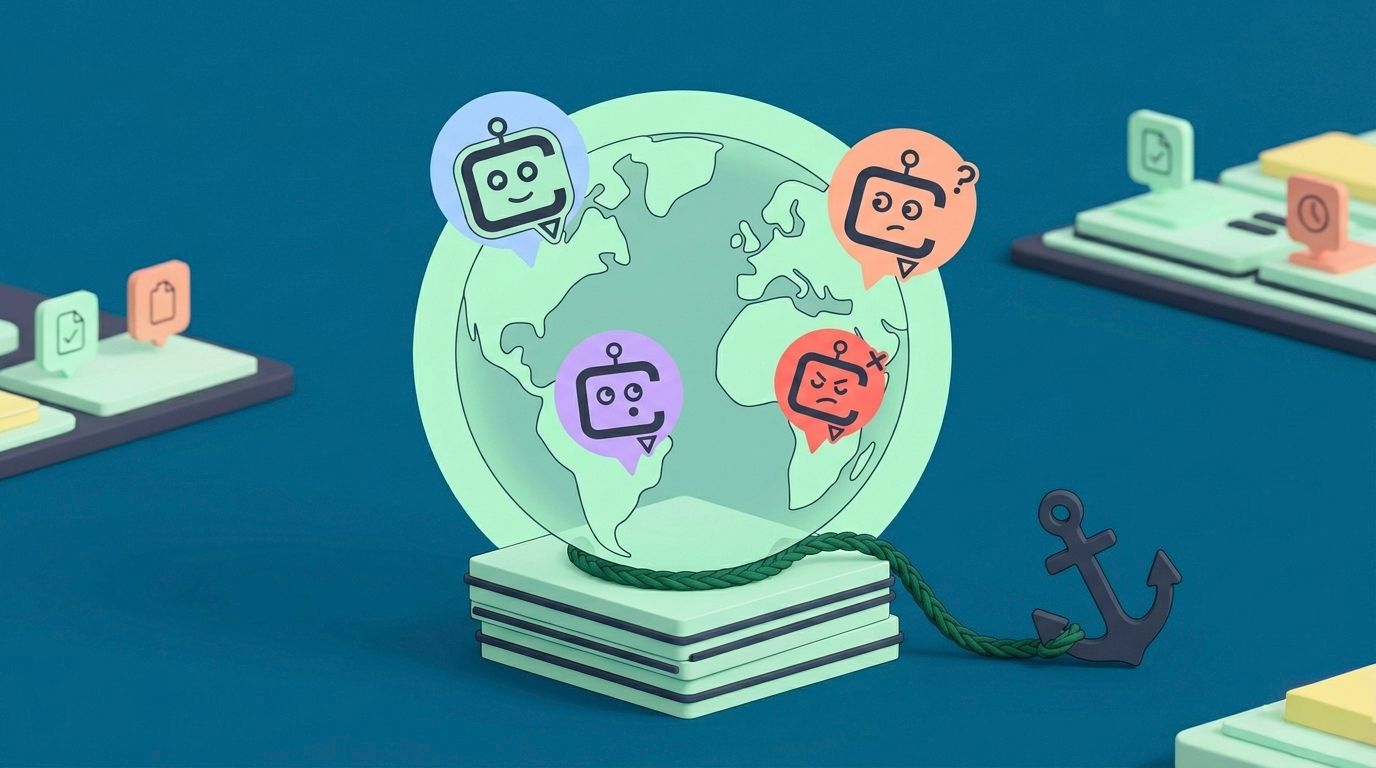
From Local to Global: How Multilingual AI Agents Unlock International Markets in Minutes
May 18, 2026
By Rowan Lark
Multilingual AI agents unlock new markets by translating and responding in a customer's native language in real time, across dozens of languages at once, without hiring regional support staff. This works for product questions, shipping policies, and returns handled through chat, but tone and formality still need market-specific configuration to sound natural rather than machine-translated.
Imagine launching your online store in Europe, Asia, and Latin America—all before your competitor’s next product drop. With a multilingual AI agent, every product inquiry, shipping question, and return request is handled seamlessly in your customer’s native tongue. This Growth Guide shows you how to deploy a smart, multilingual AI agent in minutes, tailor it for cultural nuance, and measure its impact on conversion and customer satisfaction.
1. Why Language Matters in Global E-commerce
Language is more than words—it’s trust. According to industry data, businesses offering support in their customers’ native languages see significantly higher engagement and purchase rates. When shoppers can ask questions, read policies, and resolve issues in their first language, they’re far more likely to complete a purchase and become repeat buyers.
- Cultural connection: Native-language support reduces misunderstandings and builds loyalty.
- Conversion lift: Shoppers are up to 2.5× more likely to buy when they understand product details and terms exactly.
- Brand credibility: Localized tone and proper formatting (dates, currencies) convey professionalism.
2. Introducing Your Multilingual AI Agent
A modern multilingual AI agent does more than translate. Key capabilities include:
- Automatic translation: Real-time, context-aware translation across 70+ languages—no regional hires required.
- Sentiment detection: Identifies customer mood and adjusts tone (formal vs. casual) for each language.
- Brand voice preservation: Learns your style guide so responses feel on-brand, no matter the market.
- Omnichannel support: Works in web chat, WhatsApp, Facebook Messenger, and other social channels out of the box.
3. Rapid Deployment: Go Live in Under 10 Minutes
Speed is critical for fast-growing e-commerce brands. Here’s how to launch your agent quickly:
- Copy-and-paste snippet: Add one JavaScript widget to your site—no coding or redeploys needed.
- Upload language glossaries: Provide translated product names, promotional terms, and FAQs to refine accuracy.
- Apply cultural style guides: Specify formal vs. informal greetings, date/time formats, and regional spellings.
- Test your flows: Use built-in previews to simulate conversations in each language before going live.
4. Tailoring Tone and Cultural Nuance
Successful localization goes beyond translation. Your AI agent must sound natural in every market:
- Greetings: “Hola, ¿cómo puedo ayudarle hoy?” in Spain vs. “¡Buen día! ¿En qué puedo ayudarte?” in Mexico.
- Formality: Adjust pronouns and formality based on local customs (e.g., “vous” vs. “tu” in French).
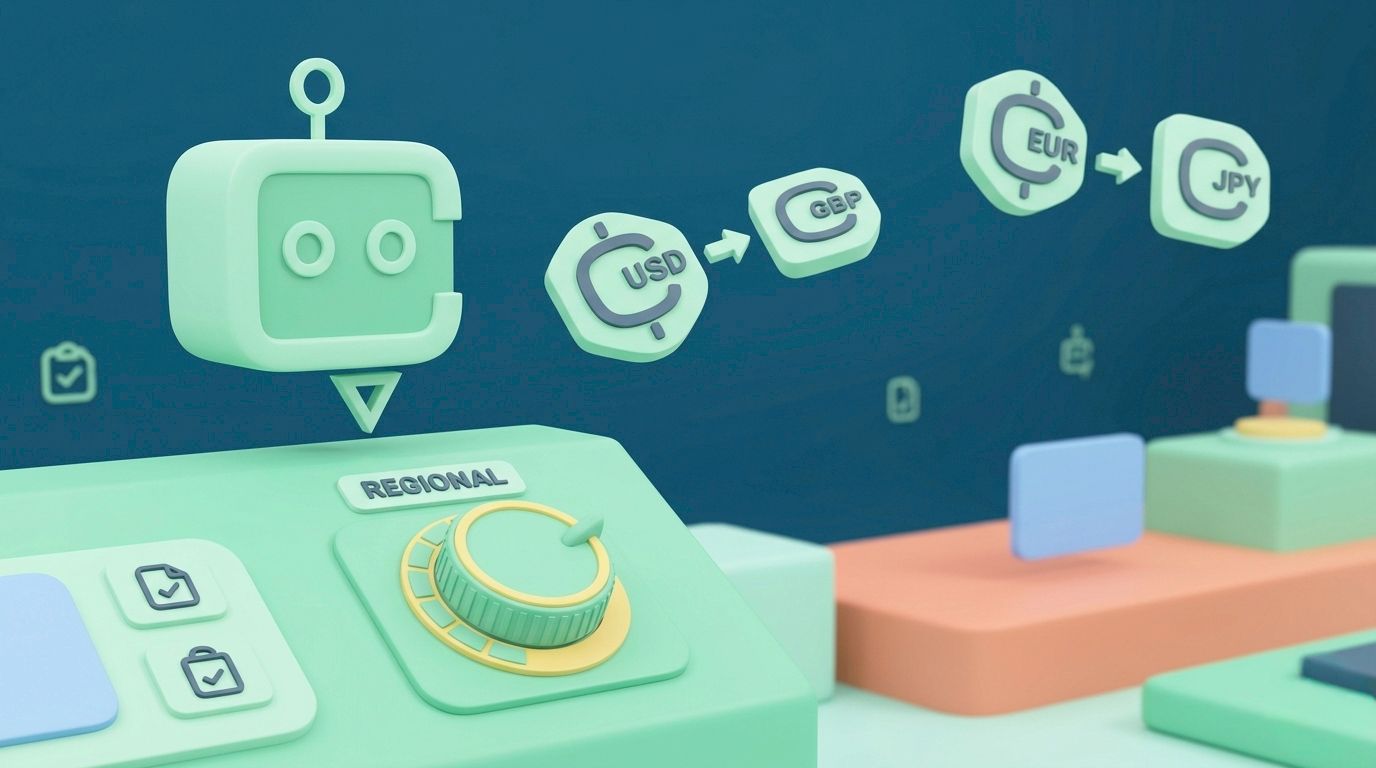
- Formatting: Use local date, time, numbering, and currency conventions to avoid confusion.
- Regional slang and idioms: Incorporate localized expressions to build rapport (e.g., “Cheers!” vs. “Salud!”).
5. Measuring Success: KPIs and Analytics
Track these metrics to prove ROI and optimize performance:
- Multilingual CSAT lift: Compare customer satisfaction scores across languages before and after deployment.
- Conversion rate by language: Measure add-to-cart and checkout completions per market.
- Support deflection: Automate 80%+ of routine inquiries—freeing your team for high-value tasks.
- Cost savings: Eliminate the need for regional support hires, saving up to 20 hours of rep time weekly.
6. Scaling Beyond Language: Next-Gen Features
Your AI agent can evolve into a full-fledged sales and support powerhouse:
- AI-driven upsell recommendations: Suggest region-specific accessories or bundles at key touchpoints (cart, post-purchase confirmation).
- Voice support integration: Extend your agent to phone channels—customers speak and get responses in their native language.
- Order management actions: Agents can process refunds, track orders, and initiate returns based on live inventory data.
7. Conclusion & 90-Day Rollout Plan
Ready to expand globally without hiring dozens of regional teams? Use this 90-day checklist:
- Week 1: Install the AI agent widget and upload initial language glossaries.
- Week 2–3: Configure tone, style guides, and test flows in top three target languages.
- Week 4–6: Launch in pilot markets; collect CSAT, conversion, and deflection data.
- Month 3: Roll out to all 70+ languages, integrate voice channels, and enable upsell workflows.
- Ongoing: Use analytics to refine translations, update glossaries, and optimize cultural nuances.
Global reach has never been this fast or cost-effective. In under 10 minutes, you can turn language barriers into growth engines—and truly go global.