
5 Strategies to Infuse Your Brand’s Voice into AI-Powered Customer Support
May 1, 2026
By Sam Harper
Imagine your AI assistant greeting a frustrated customer with genuine warmth, mirroring your brand’s signature humor or empathy. In this post, you’ll learn how to document your brand’s voice guidelines, train your AI on real customer transcripts, and implement live monitoring to catch off-brand replies before they go live. We’ll also cover A/B testing different voice settings and gathering ongoing feedback so your AI personality stays fresh and authentic.
Introduction
As businesses embrace AI-powered support, a major concern emerges: will automated replies sound cold and mechanical? Customers expect fast answers, but they also value a brand’s human touch. If your AI agent responds with bland, cookie-cutter messages, you risk undermining hard-won loyalty. By intentionally shaping your AI’s personality, you turn automation into an empathetic teammate—one that speaks in your voice rather than a generic script.
Strategy 1: Define Your Voice DNA
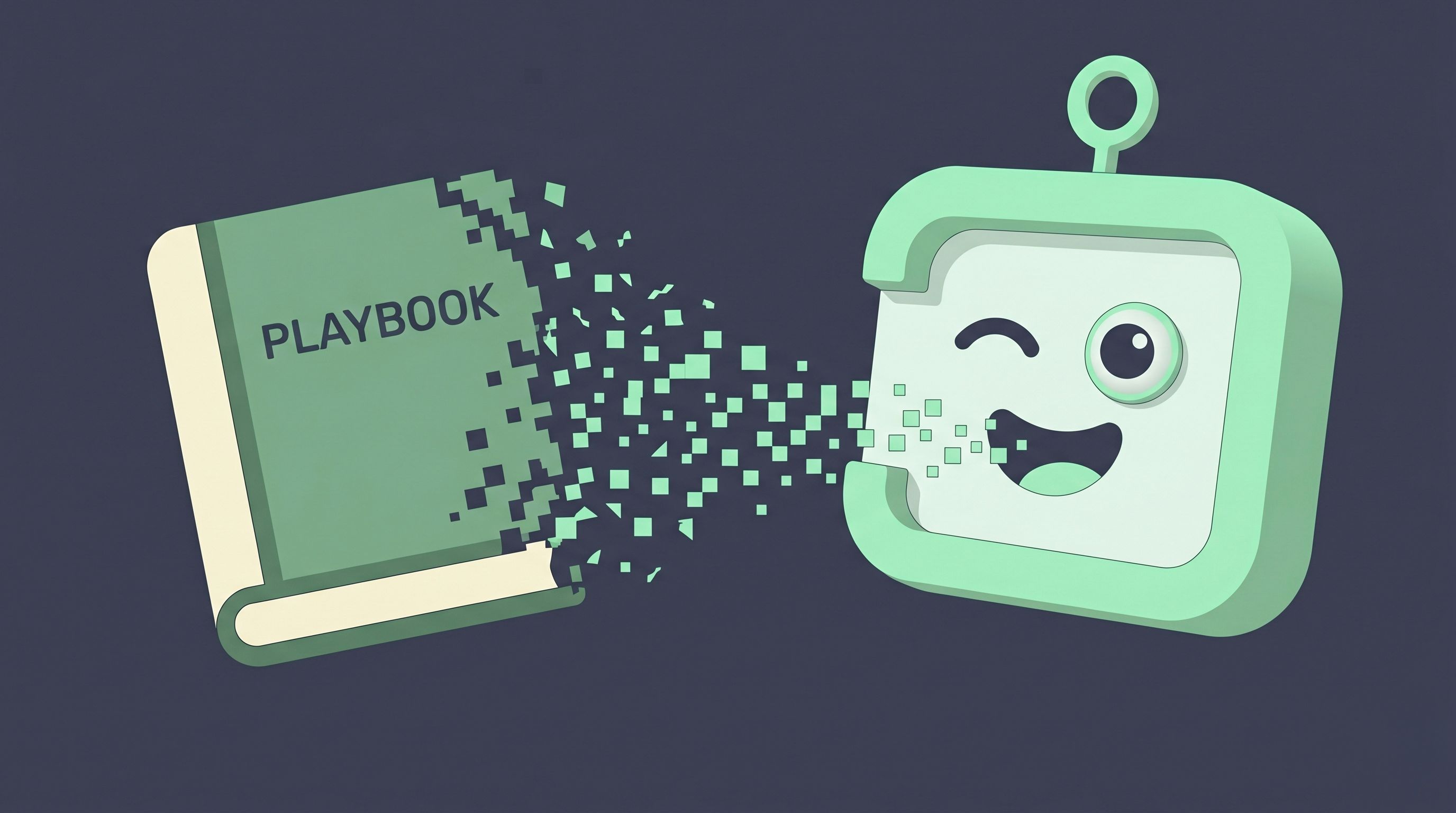
Before training any model, capture what makes your brand’s voice unique. Gather real examples of brand copy—website headlines, social posts, email signatures—and highlight key traits: friendly, witty, compassionate, or authoritative. Then build a tone-of-voice playbook that outlines:
- Tone attributes (e.g., “warm and informal” vs. “professional and concise”)
- Do’s and don’ts (e.g., use contractions, avoid jargon)
- Sample phrases (e.g., “Thanks for reaching out!” or “No worries—we’ve got you covered.”)
This document becomes the north star for every AI reply, ensuring consistent alignment with your brand personality.
Strategy 2: Curate Real Customer Transcripts
Authentic customer conversations are a goldmine for training. Export a representative sample of chat logs or support emails. Identify exchanges where your team:
- Diffused a frustrated customer with empathy
- Injected a bit of humor to lighten the mood
- Offered personalized recommendations based on past interactions
Use these transcripts to fine-tune your AI agent so it learns how your brand naturally addresses questions and solves problems. By grounding training data in real examples, you steer the AI away from bland, robotic wording.
Strategy 3: Implement Dynamic Sentiment Tuning
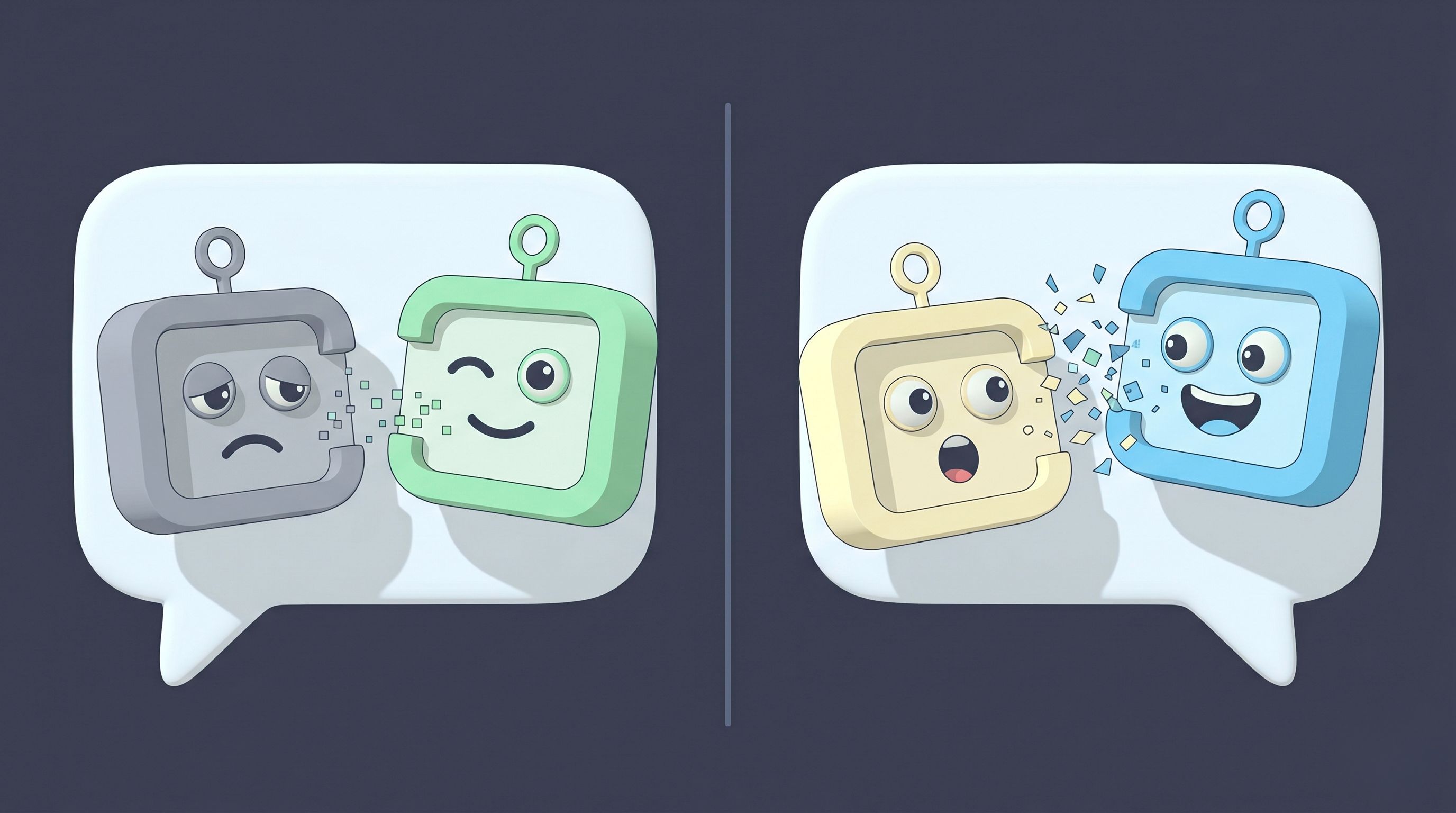
Customers arrive with different moods: some need reassurance, others just want facts. By detecting sentiment in real time, your AI can adapt its tone on the fly. For instance:
- If a customer’s message contains frustration or urgency, the AI can switch to a more empathetic style (“I’m really sorry to hear this—it must be frustrating!”).
- For simple, transactional inquiries, it keeps responses crisp and efficient (“Your order ships tomorrow. I’ll send a tracking link shortly.”).
This dynamic adjustment preserves brand consistency while honoring the customer’s emotional state.
Strategy 4: A/B Test Voice Settings
Even within a single brand voice, subtle variations matter. Configure the agent's voice with two different tone profiles—say, “friendly and casual” vs. “warm and informative.” Measure metrics like:
- Customer Satisfaction (CSAT) scores
- Average handle time
- Rate of follow-up questions
Compare performance to see which style resonates best. Then iterate by blending the winning traits into your core playbook.
Strategy 5: Establish Ongoing Feedback Loops
Your brand evolves, and so should your AI. Build processes for team members to flag off-brand replies immediately. Complement this with periodic voice audits and brief surveys that ask customers how “natural” the AI felt. Incorporate this feedback into regular retraining cycles so the AI personality stays aligned with current campaigns, product launches, and voice refinements.
Case Study Spotlight
One mid-sized retailer used these five strategies to revamp their AI support. After defining a playbook and retraining the model on authentic transcripts, they introduced sentiment-based tone shifts and ran two rounds of A/B tests. Within six weeks, they saw a 25% lift in CSAT and a 15% drop in repeat inquiries—proof that a human-grade AI can deliver big results when it truly speaks your language.
Conclusion & Next Steps
By defining your voice DNA, curating real transcripts, tuning for sentiment, A/B testing, and looping in feedback, you can transform your AI from a generic bot into a brand ambassador. Start today by drafting your tone-of-voice playbook, and watch how an authentic, empathetic AI personality wins over customers.
Ready to Get Started?
At Chatlyst, we're committed to helping you maintain your brand’s unique voice—no robotic replies here.